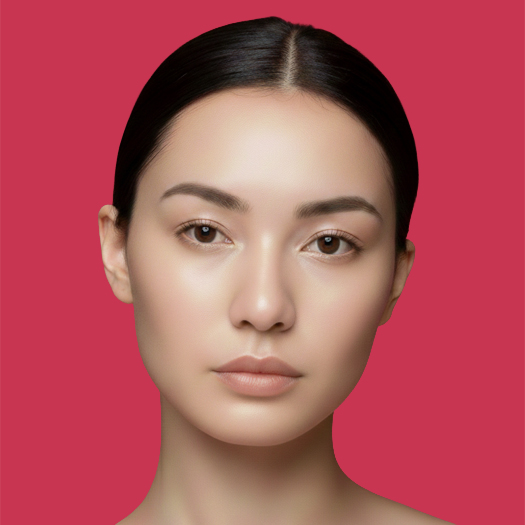
Its the best rhino in the world
Rhinoplasty is a plastic surgery procedure that reshapes the nasal bones, cartilage, and/or skin to improve appearance and breathing function. It can be performed for aesthetic or functional reasons, making it both a cosmetic and reconstructive procedure.
Turkey is a leading global destination for rhinoplasty, attracting patients from around the world. ClinicHub, one of Turkey’s leading health tourism organisations, brings together International patients with accredited hospitals and experienced surgeons, whether for cosmetic rhinoplasty or reconstructive surgery.
The following sections explain what rhinoplasty is, its types, and who may be suitable candidates.
Rhinoplasty can be called a surgery that reshapes the nose by changing its size or angle, straightening the nasal bridge, reshaping the nasal tip, or narrowing the nostrils.
Nose reshaping surgery, or rhinoplasty, is performed for cosmetic or functional reasons and is usually carried out under general anaesthesia using different techniques. The procedure typically lasts 1.5–3 hours, requires a one-night hospital stay, and involves wearing splints for about five days.
Rhinoplasty surgery can be performed using different techniques, chosen based on the patient’s nasal structure, needs and expectations. For this reason, each rhinoplasty operation should be planned individually.
Rhinoplasty can be cosmetic, functional, or both. Cosmetic rhinoplasty improves appearance, while functional rhinoplasty corrects breathing problems. Studies on “What is nose reshaping?” show these approaches are often interconnected.
Open rhinoplasty uses a small external incision for complex cases. The surgeon makes small incisions in the columella, between the nostrils. This technique gives the surgeon a better view of the nasal structures.
Rhinoplasty is suitable for individuals of any gender with aesthetic or functional nasal concerns. Ideal candidates are in good health, have completed facial development, and have realistic expectations after a thorough evaluation of nasal anatomy and breathing function.
Rhinoplasty is performed for aesthetic, functional, or combined reasons. Modern rhinoplasty takes a holistic approach to improve both appearance and breathing, enhancing overall well-being and self-confidence.
As the nose is central to the face, cosmetic concerns are the most common reason for rhinoplasty. The goal is a natural result that harmonises with facial features, not perfection.
Structural nasal problems can affect breathing, sleep, and quality of life. Nose reconstruction corrects these issues to improve airflow and overall well-being when performed by an experienced surgeon.
Conditions such as septal deviation, turbinate enlargement, or nasal valve collapse can impair breathing. Functional rhinoplasty restores airflow through procedures like septoplasty, nasal valve repair, or turbinoplasty.
Rhinoplasty is performed for aesthetic and/or functional reasons, so costs vary by nasal anatomy, expectations, and surgical complexity. As many patients ask, “How much is a nose job?”, the rhinoplasty cost can only be determined after a detailed medical evaluation and personalised surgical planning.
Rhinoplasty costs vary with surgeon expertise and specialisation, especially in complex or revision cases, and are also influenced by clinic or hospital location.
Procedure complexity is a major cost factor, as additional interventions increase surgical time and scope.
Therefore, the cost of rhinoplasty can vary depending on the individual case. Factors such as skin thickness, bone and cartilage structure, nasal anatomy, and whether the procedure is a primary or revision rhinoplasty may influence the treatment plan and final pricing.
Rhinoplasty aims for a natural result that suits the face. After evaluation, the surgeon chooses the most appropriate surgery technique and reshapes the nasal bones and cartilage. Proper aftercare supports smooth recovery and long-lasting results.
The consultation covers aesthetic goals, breathing concerns, and medical history. The surgeon examines the nose, takes measurements and photos, and explains options, risks, recovery, and expected outcomes.
Preparation includes health and nasal assessment, stopping blood-thinning medications, avoiding smoking, and fasting before anaesthesia to ensure safety and proper healing.
Rhinoplasty is usually performed under general anaesthesia using different surgery techniques. The surgeon reshapes bone and cartilage, corrects septal issues if needed, then closes incisions and applies splints.
In rhinoplasty procedures, general anaesthesia is used to ensure that patients experience no pain and that the surgery is carried out in a controlled and comfortable setting.
Surgical techniques are individually tailored to the patient’s nasal anatomy, functional requirements, and aesthetic objectives to achieve natural-looking results.
After surgery, patients are monitored in the hospital until the effects of anaesthesia have fully worn off and are typically discharged after one night of observation. Following discharge, patients return to their hotel, and ClinicHub’s post-operative care continues without interruption.
Patients receive 24/7 support from qualified nursing staff and post-operative doctors until cast removal and their return home.
Recovery varies by patient, but healing is gradual. Swelling and mild bruising are common in the first 4-6 weeks. About 90% of swelling resolves within 1-3 months, while minor tip swelling may last up to a year. Final results are usually visible after 12 months.
The first week involves swelling, bruising, and congestion, so rest is recommended. Most patients return to light activities by week two, with a more natural appearance by weeks 3-4.
Keeping the head elevated, using cold compresses, taking prescribed medication, and reducing salt intake help minimise swelling and bruising.
Mild bleeding or mucus drainage is normal and may require a drip pad. Elevate the head, apply cold compresses to the cheeks, avoid heat, strenuous activity, and pressure from glasses, and stay well hydrated to support healing.
Results are judged by preoperative goals, technique, and healing. As swelling fades, the final natural outcome is typically assessed up to one year after surgery.
Rhinoplasty permanently changes the nose, so realistic expectations are essential. Consultations and 3D simulations can help visualise outcomes, but patience is required during healing.
Rhinoplasty results are usually permanent. Minor age- or trauma-related changes may occur but are typically subtle and don’t require further surgery.
Revision rhinoplasty addresses persistent aesthetic or functional issues after the first surgery. About 5–15% of patients seek revision, usually after at least 12 months of healing.
Rhinoplasty carries some risk despite modern techniques. Swelling and bruising are common, while serious complications are rare and depend on the surgeon’s expertise, the patient’s health, and aftercare.
Rhinoplasty can cause temporary effects such as swelling, bruising, pain, mild bleeding, and nasal congestion, which are usually short-term and manageable with proper aftercare and medication.
Rhinoplasty is generally safe with experienced surgeons, but risks such as bleeding, infection, breathing issues, numbness, scarring, or dissatisfaction may occur. Proper preparation, aftercare, and timely medical attention help minimize complications.
Non-surgical rhinoplasty offers only temporary, surface-level improvements, whereas surgical rhinoplasty provides permanent, structural correction of both aesthetic and functional nasal concerns.
Surgical Rhinoplasty | Non-Surgical Rhinoplasty |
Provides permanent, structural correction | Offers temporary, surface-level improvement |
Reshapes nasal bone and cartilage | Uses dermal fillers to add volume |
Can treat breathing and functional problems | Cannot treat functional or breathing problems |
Long-lasting results | Not a permanent solution |
Considered the gold standard in rhinoplasty | Considered a temporary aesthetic alternative |
Choosing a surgeon with specialised training and extensive rhinoplasty experience is essential for success. International expertise, modern techniques, knowledge of functional nasal surgery, and before-and-after photos help assess results and consistency.
The initial consultation is key for reviewing the surgical plan and expected results, as well as evaluating the surgeon’s training, experience, professional memberships, complication management, and follow-up care.
Clinichub is a leading health tourism organisation in Turkey, connecting international patients with expert rhinoplasty surgeons in Ministry of Health-approved, JCI-accredited hospitals. With over a decade of experience, ClinicHub provides safe, high-quality aesthetic and functional nose surgery through fully coordinated care.
Contact Clinichub today for a free consultation and personalised rhinoplasty plan—start your journey with trusted experts and seamless support.
Mild to moderate pain is common in the first few days and is usually controlled with prescribed pain medication.
Yes, it can correct functional issues such as septal deviation and nasal valve narrowing.
After nasal development is complete, usually 16+ for females and 17+ for males.
When performed by an experienced surgeon, rhinoplasty aims for natural, well-balanced results.
Most swelling improves within 2-4 weeks, but mild tip swelling may last up to one year.
Wearing glasses is usually not recommended for 4-6 weeks, though lightweight or supported glasses may be allowed if necessary, with the surgeon’s approval.
Most patients can return to desk-based work within 7-10 days after rhinoplasty.
Light walking can usually start after 4-6 weeks; intense exercise should be avoided for up to 6 months.
Final results typically appear within 12 months.
A nose lift reshapes the nasal tip only, while full rhinoplasty reshapes both bone and cartilage.
Contact your surgeon immediately for severe pain, increasing swelling, bleeding, vision changes, or infection signs.
No surgery is risk-free, but rhinoplasty has a low complication rate when performed by experienced surgeons.
When post-operative care instructions are followed and there has been no trauma, the rhinoplasty results can remain unchanged for 10 years or more.
Results are long-lasting and generally remain stable for many years.
Rarely, it may occur if support is inadequate, but risk is very low with proper technique.
Around 2-15% of patients may need revision surgery, often due to expectation mismatch.
No, it is a complex and advanced surgical procedure.
Studies show rhinoplasty can improve self-confidence, breathing, and overall quality of life.
Results are generally permanent, with only minor age-related changes over time.
When rhinoplasty is performed together with septoplasty, it can correct a deviated septum.